


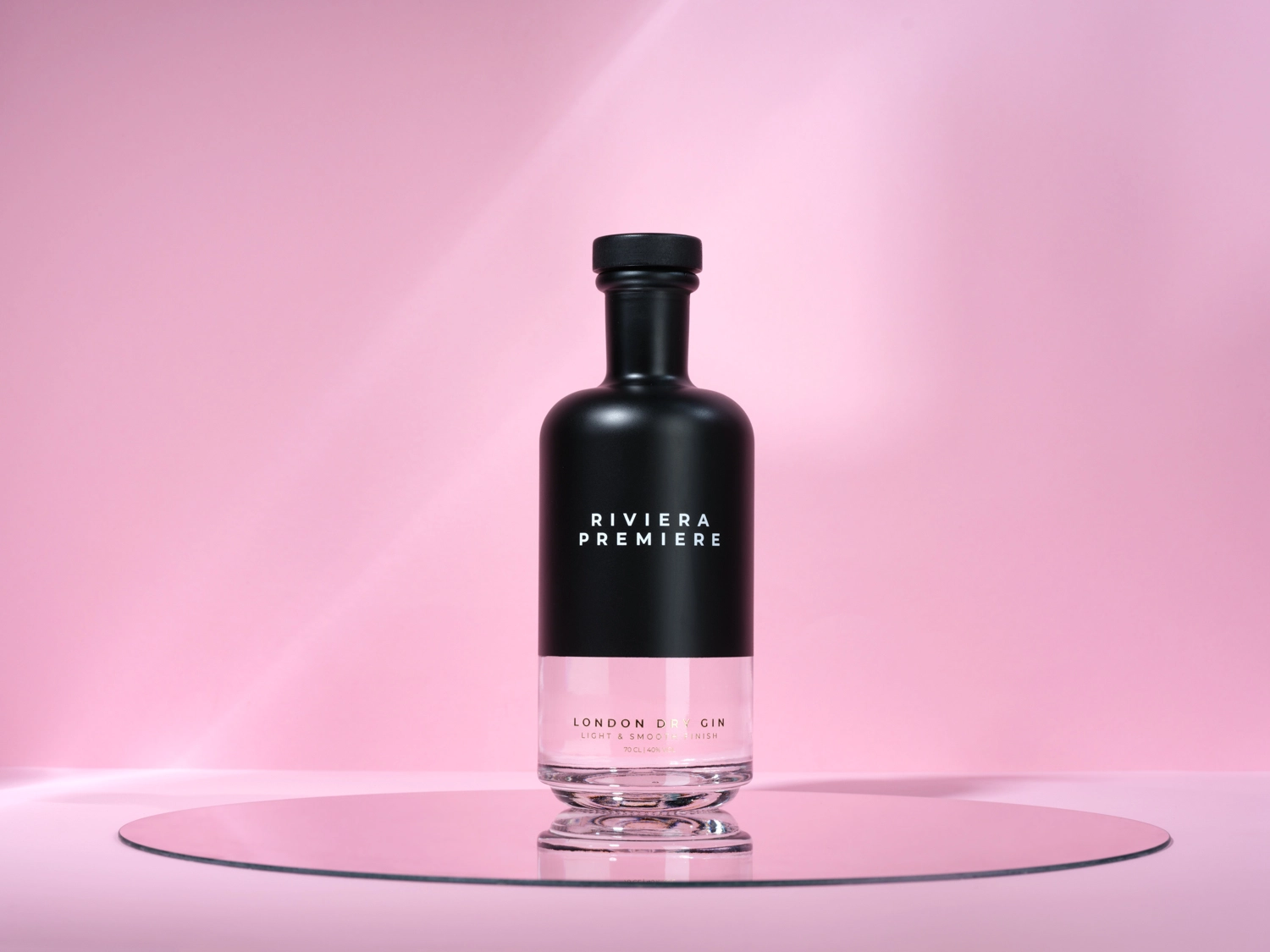
Glass printing is not a decorative afterthought – it is a complex technological process that directly influences product durability, safety, brand perception, and lifecycle cost. From mass-produced bottles to architectural glazing and premium packaging, the choice of printing method determines how glass behaves under mechanical stress, chemical exposure, and long-term use.
Below is an in-depth overview of the main custom glass printing and finishing technologies used in modern production, explained from a practical and engineering perspective.
1. Screen Printing on Glass
Screen printing is one of the oldest and most industrially reliable glass decoration methods. The process involves transferring ink through a mesh screen onto the glass surface, allowing precise control over ink layer thickness.
This control is critical. Thicker ink layers provide higher opacity, stronger colour saturation, and improved resistance to abrasion. That is why screen printing on glass remains the dominant technology for bottles, jars, flat glass panels, appliance glass, and architectural elements.
From a production standpoint, screen printing excels in:
- medium to very large production runs;
- designs with solid colours and sharp edges;
- applications requiring predictable durability.
The main limitation is flexibility. Each colour requires a separate screen, making frequent design changes costly and time-consuming. However, once the setup is complete, screen printing delivers unmatched consistency.
2. Digital Printing on Glass
Digital printing applies ink directly from a digital file onto the glass surface using inkjet heads. Unlike screen printing, it does not require physical screens, which dramatically reduces setup time.
This makes digital printing ideal for:
- short runs and custom orders;
- prototypes and test batches;
- designs with gradients, images, or variable data.
However, digital inks are significantly thinner than screen-printing inks. On clear or tinted glass, this results in lower opacity, especially with light colours. Multiple ink passes can compensate for this but may affect optical clarity and increase production time.
In practice, digital printing is best used for decorative or semi-functional glass rather than products exposed to constant handling or aggressive cleaning.
3. Frit Printing
Frit printing is fundamentally different from ink-based methods. Instead of organic or ceramic inks, it uses powdered glass particles mixed with pigments. After application, the glass is fired at high temperatures, causing the frit to melt and fuse permanently with the surface.
Once fused, the print becomes part of the glass itself. This provides:
- extreme resistance to scratching and abrasion;
- full chemical and UV stability;
- tolerance to temperature shock.
Because of these properties, frit printing is widely used in automotive glazing, industrial safety glass, and exterior architectural panels. The downside is cost, limited colour options, and strict technical constraints related to glass thickness and firing compatibility.
4. High Fire Direct Ceramic Printing
High fire ceramic printing uses inorganic ceramic inks cured at temperatures above 1100°F. During firing, the ink chemically bonds with the glass surface rather than simply adhering to it.
This method offers one of the best balances between durability and aesthetics. It is commonly used for:
- reusable bottles and glassware;
- laboratory and pharmaceutical containers;
- premium tableware.
High fire ceramic prints withstand dishwashers, pasteurisation, and chemical exposure without fading or peeling. However, the process is incompatible with heat-sensitive coatings or decorative surface treatments applied beforehand.
5. Transfers (Ceramic and Organic)
Transfer printing is used when designs require high precision, multiple colours, or complex registration. The image is printed onto a carrier medium and then transferred onto the glass surface.
Ceramic transfers are fired for long-term durability, while organic transfers are cured at lower temperatures and used for decorative purposes. Transfers are particularly valuable for:
- irregularly shaped glass;
- detailed logos and fine typography;
- small and medium production runs.
The trade-off is labour intensity, as manual application is often required to ensure alignment accuracy.
6. Spray Coating
Spray coating is a finishing technique rather than a printing method. It involves applying a uniform layer of colour or effect coating over the entire glass surface using controlled spray systems.
Professional glass coating is used to achieve:
- matte, satin, or glossy finishes;
- translucent or opaque colour layers;
- surface texture and light diffusion control.
Spray coating is frequently combined with screen or digital printing to add depth and contrast. However, coatings are more sensitive to abrasion and aggressive cleaning, which limits their use in high-contact environments.
7. Pad Printing
Pad printing uses a flexible silicone pad to transfer ink from an etched plate onto the glass surface. This allows printing on small, uneven, or slightly curved areas that are inaccessible to flat screens.
It is typically used for:
- small logos and symbols;
- limited text elements;
- promotional or decorative products.
Because pad printing relies on low-fire organic inks, durability is moderate. It is not suitable for large coverage areas or high-wear applications.
8. Foil Stamping on Glass
Foil stamping applies decorative foil onto glass using heat, pressure, and adhesive ink layers. The process begins with printing an adhesive pattern, followed by partial curing and foil bonding.
Hot stamping on glass produces effects that inks cannot replicate:
- mirror metallic finishes;
- pearl and antique textures;
- wood grain and specialty effects.
Foil stamping is primarily a premium branding tool. While visually striking, foil layers are sensitive to abrasion and are not recommended for reusable or dishwasher-safe products.
9. Low Fire Direct Organic Printing
Low fire organic printing uses inks cured at temperatures below 400°F. This allows printing on coated, frosted, or painted glass surfaces that would be damaged by high heat.
The method offers:
- vivid colours;
- smooth matte or glossy finishes;
- compatibility with decorative coatings.
However, organic inks have limited resistance to dishwashers and mechanical wear. As a result, this technique is used mainly for cosmetic packaging, interior décor, and non-reusable glass products.
Final Thoughts
There is no universal solution in glass printing. Each method serves a specific technical purpose, defined by durability requirements, surface treatment, design complexity, and production scale.
Successful glass decoration is achieved not by choosing the “most advanced” technology, but by aligning printing, coating, and curing processes with the product’s real-world use conditions. When these factors are correctly matched, the result is predictable quality, long-term performance, and consistent visual impact.
