


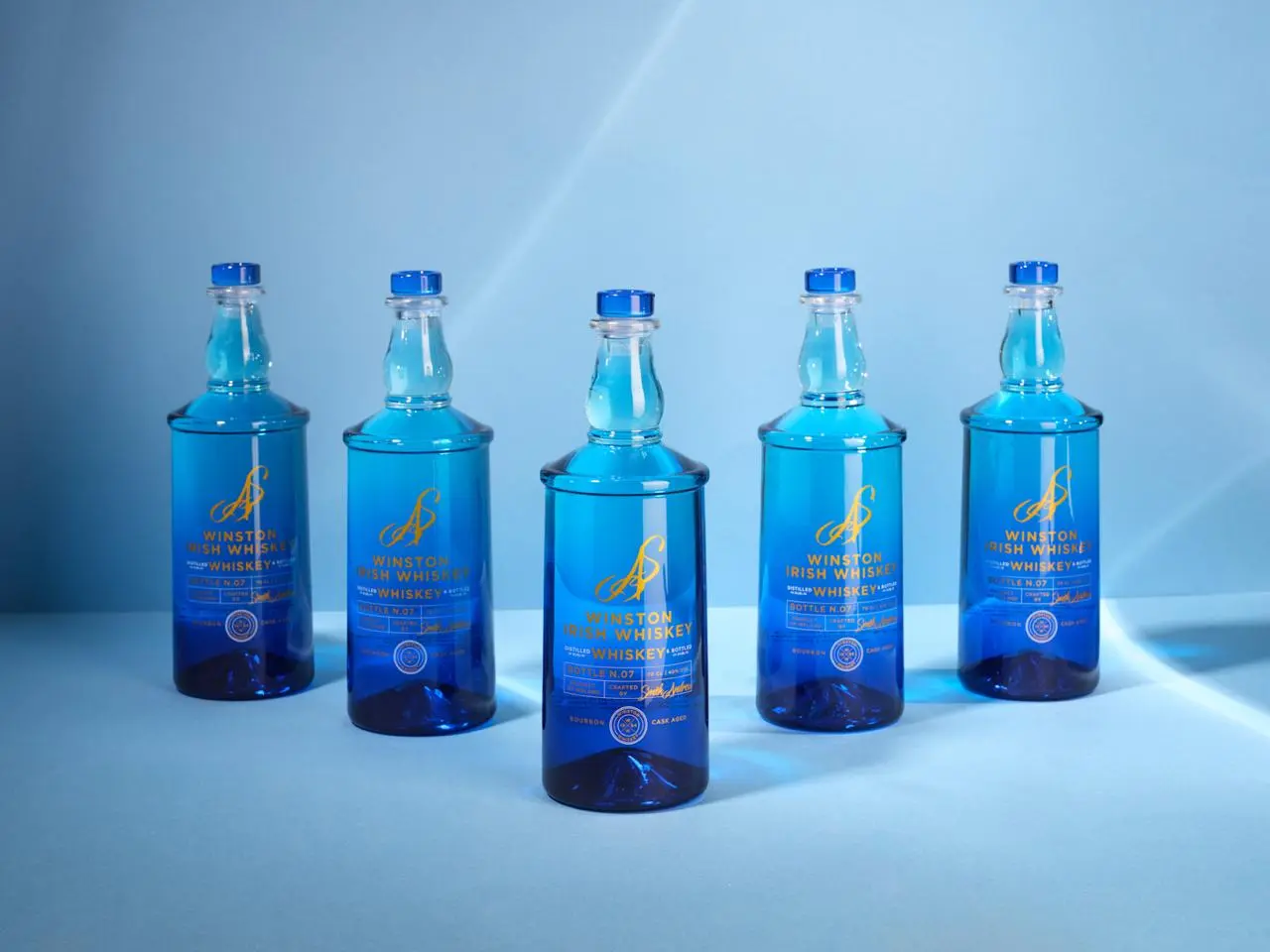
Screen printing is a mature, engineering-driven printing technology that remains critical in modern manufacturing despite the rise of digital alternatives. Its strength lies not in novelty, but in process stability, material compatibility, and predictable performance across large production volumes.
Unlike digital methods, screen printing is a physical ink deposition process, where ink thickness, mesh tension, pressure, and curing parameters directly affect the final result. This makes it both highly controllable and highly dependent on technical expertise.
What Exactly Happens During Screen Printing
At a fundamental level, screen printing transfers ink through a woven mesh onto a substrate. The mesh is partially blocked by a stencil, which defines where ink can and cannot pass. A squeegee forces ink through the open areas of the mesh, depositing it onto the surface below.
What makes the process powerful is not the concept itself, but the number of controllable variables, including:
- mesh count and thread diameter;
- emulsion thickness;
- ink viscosity and chemistry;
- squeegee hardness, angle, and pressure;
- curing temperature and dwell time.
In professional production, screen printing is not a single technique but a system of interdependent parameters tuned for a specific material and use case.
Why Screen Printing Is Still a Production Standard
Screen printing continues to dominate in environments where failure is not acceptable. This includes packaging, branded components, promotional products, and industrial parts.
Key reasons for its continued relevance include:
Ink Layer Control
Screen printing allows significantly thicker ink layers than digital printing. Thicker layers mean better opacity, stronger colour saturation, and longer service life.
Substrate Versatility
The same core process can be adapted to textiles, glass, plastics, metals, and coated surfaces with minimal conceptual changes.
Durability
When properly cured, screen-printed inks resist abrasion, washing, UV exposure, and chemical contact far better than most inkjet systems.
Scalability
Once set up, the process is extremely repeatable. The cost per unit decreases sharply as volume increases.
For projects where frequent design changes are required or quantities are very small, complementary methods such as labelling may be more efficient, but they do not replace screen printing in high-demand environments.
Screen Printing Techniques Explained in Detail
Spot Colour Printing
Spot colour printing uses individual inks for each colour area. It is the most mechanically stable and predictable screen printing method.
Used when:
- colours must be exact and repeatable;
- designs are logo-based or vector-driven;
- durability is critical.
This method produces the strongest ink adhesion and is the easiest to control in mass production.
Halftone and Grayscale Printing
Halftones break continuous images into dots of varying size. This allows tonal transitions using a single ink colour.
Grayscale printing expands on this by using multiple grey tones. Both techniques require precise mesh selection and exposure control to prevent dot gain or loss.
These methods are common in:
- photographic artwork;
- detailed illustrations;
- black-and-white branding elements.
CMYK Screen Printing
CMYK uses four process colours to simulate full-colour images. In screen printing, this method is technically demanding and substrate-dependent.
It works best on:
- white or very light surfaces;
- smooth, non-absorbent materials.
While CMYK reduces the number of inks, it also reduces tolerance for registration errors and colour variation.
Simulated Process Printing
Simulated process printing uses multiple spot colours instead of CMYK to recreate complex images. It offers superior colour accuracy and flexibility, especially on dark substrates.
This technique requires:
- advanced colour separation;
- precise registration;
- experienced press setup.
It is commonly used for premium graphics and high-detail designs.
Special Effects Printing
Screen printing supports inks and additives that cannot be replicated digitally, including:
- high-build and textured inks;
- puff and tactile effects;
- metallic and reflective pigments;
- gloss and matte contrasts.
These effects add physical depth, not just visual detail, which is why screen printing remains dominant in premium decoration.
Screen Preparation: Where Quality Is Won or Lost
Artwork and Separation
Technically correct artwork is non-negotiable. Vector files or high-resolution raster images are required. Each colour channel must be clearly defined, separated, and aligned.
Poor separation leads to:
- colour contamination;
- registration issues;
- inconsistent ink coverage.
Mesh Selection
Mesh count determines how much ink passes through the screen. Lower mesh counts deposit more ink but reduce detail. Higher mesh counts allow finer detail but thinner ink layers.
Choosing the wrong mesh is one of the most common production errors.
Emulsion Coating and Exposure
Emulsion thickness affects stencil durability and ink flow. Underexposure leads to stencil breakdown; overexposure leads to detail loss.
Professional shops control:
- coating method;
- drying environment;
- UV intensity and exposure time.
Printing and Curing in Industrial Conditions
Manual vs Automatic Presses
Manual presses offer flexibility and low setup cost but rely heavily on operator skill. Automatic presses remove most human variability and are essential for:
- large volumes;
- tight tolerances;
- multi-colour designs.
Curing
Curing is not drying. Ink must reach a specific temperature for a defined time to achieve chemical stability.
Improper curing is the leading cause of:
- cracking;
- fading;
- wash failure.
Screen Printing Across Materials
Screen printing integrates seamlessly with other decoration technologies. In multi-material production, it is often paired with plastic decoration to maintain consistent branding across glass, plastic, and composite components.
Each substrate requires:
- different ink chemistry;
- different surface preparation;
- different curing profiles.
Limitations of Screen Printing
Despite its strengths, screen printing is not universal.
Limitations include:
- high setup cost for small runs;
- slower changeover between designs;
- space and equipment requirements.
Understanding these limits is essential for choosing the correct decoration strategy rather than forcing an unsuitable process.
Screen Printing in a Modern Production Strategy
Screen printing is no longer a standalone craft. It is a process node within a broader manufacturing ecosystem that includes digital printing, labelling, coating, and finishing.
Its role today is clear:
- deliver durability where digital cannot;
- provide tactile and visual depth;
- scale reliably without quality drift.
As long as physical products require durable, high-impact graphics, screen printing will remain a core industrial technology.
